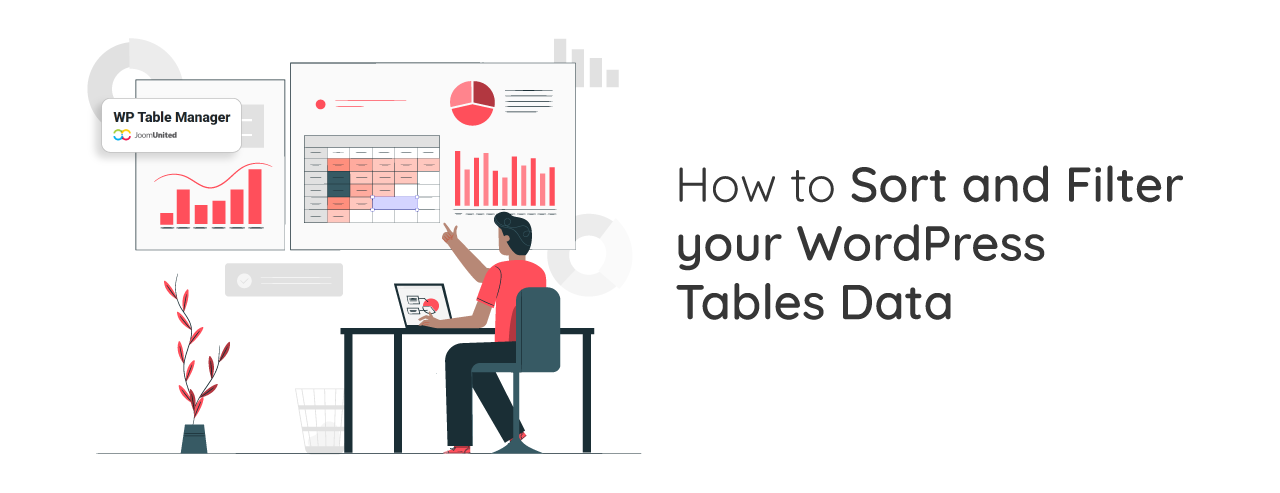
Managing structured data in WordPress can quickly become complex, especially when dealing with product listings, pricing tables, or large datasets. Without the right tools, tables become static, difficult to navigate, and inefficient for both users and search engines.
Managing media files across multiple platforms can quickly become inefficient, especially for teams working within the Microsoft ecosystem. When images, documents, and assets live in different systems, workflows slow down and inconsistencies appear. This is where integrating OneDrive with WordPress becomes a strategic advantage.
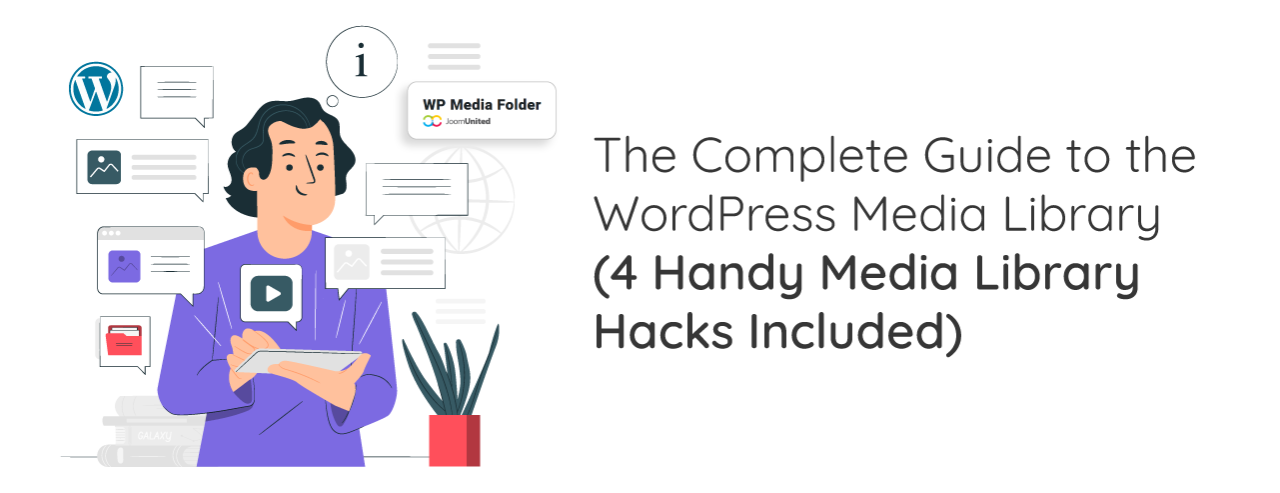
The WordPress Media Library is one of the most powerful yet often overlooked parts of any website. Every image, video, and document you upload lives there, quietly supporting your content, your design, and ultimately your search rankings. But when it's not properly managed, it can quickly turn into a messy, slow, and inefficient system that hurts performance more than it helps.
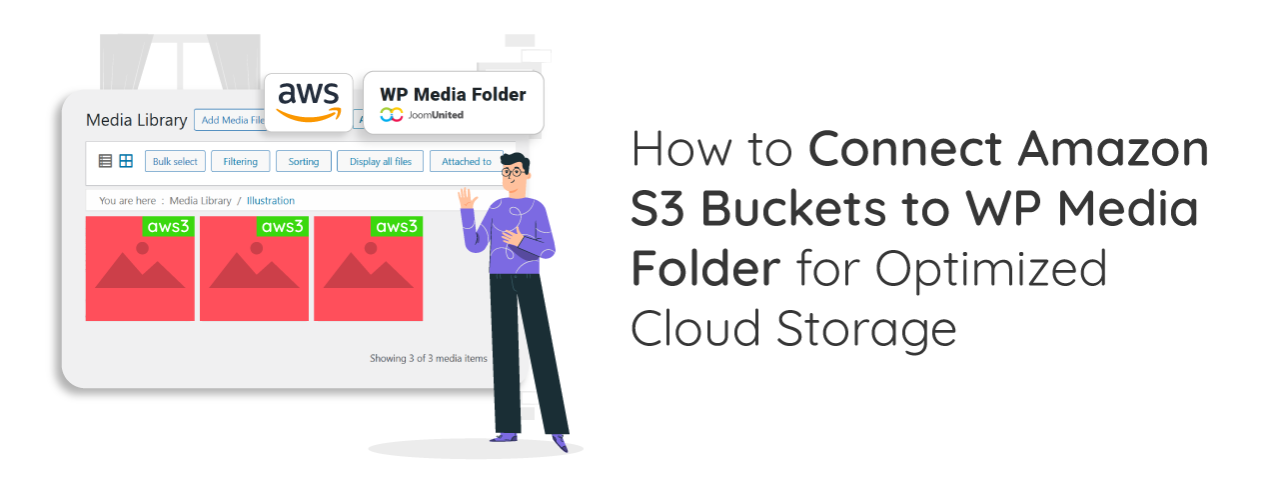
Managing large volumes of images, videos, and downloadable files can quickly put pressure on a WordPress server. This is why many developers and agencies look for ways to move media assets to cloud storage. One effective solution is learning how to connect Amazon S3 buckets for optimized cloud storage, allowing websites to offload media files while keeping the WordPress media library organized and easy to manage.
AI models for WordPress are becoming an essential part of modern websites, helping site owners deliver faster responses, smarter search, and more interactive user experiences. From AI chatbots to AI-powered assistants, these technologies significantly influence how visitors interact with a website, shaping the overall quality of AI user interactions on WordPress sites.
Some people might prefer not to show featured images on individual blog posts, whether due to performance issues, design choices, or content focus.
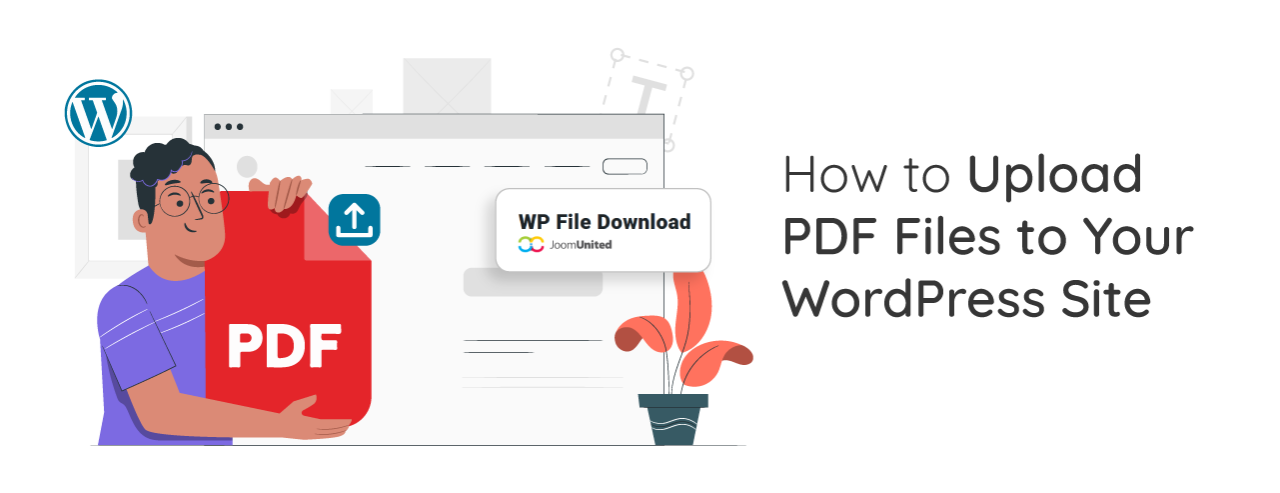
Uploading PDF files to your WordPress site is one of the most effective ways to share downloadable resources, guides, brochures, whitepapers, invoices, and digital documents with your audience. However, simply uploading a file is not enough. If PDFs are not embedded properly, optimized for search engines, and structured for easy access, they can negatively impact user experience and site performance.
Have you ever visited a site and left within seconds because the images wouldn't load fast enough? That's exactly what your visitors might be experiencing if you're not serving scaled images on your WordPress site.
Serving large files directly from WordPress hosting can quickly become a performance bottleneck. Videos, high-resolution images, downloadable resources, backups, and media libraries consume storage, bandwidth, and server resources. As your site grows, so do loading times, hosting costs, and the risk of downtime during traffic spikes.
Automatically generating SEO-friendly filenames for images is a simple step that is often overlooked, even though it has a significant impact on your website's SEO performance. When a filename is not descriptive, Google loses important context that could help your page appear in search results.